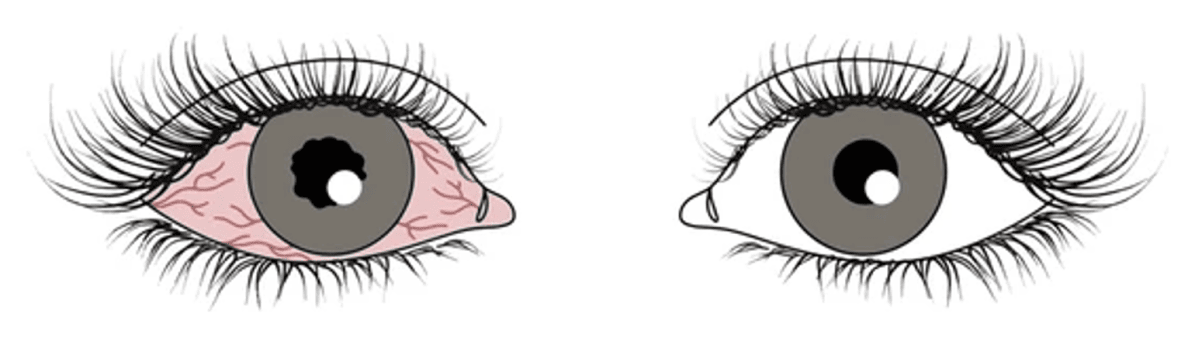
What is it?
Uveitis refers to intraocular inflammation of the uvea (iris, ciliary body, choroid). It can affect the anterior segment (iris, ciliary body), the intermediate region (vitreous), the posterior section (retina, choroid, retinal vessels) or all three simultaneously (panuveitis).
Uveitis often represents the first manifestation of systemic inflammation (sarcoidosis, inflammatory bowel disease) or an infectious condition (syphilis, tuberculosis). A thorough ophthalmologic examination is essential for an accurate diagnosis and to determine if other organs are involved.
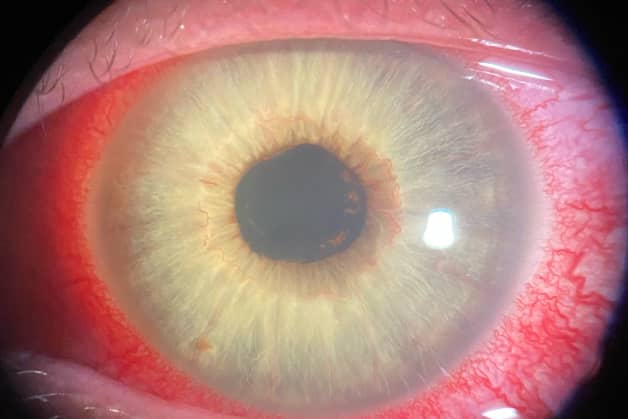
What are the symptoms of uveitis?
Anterior uveitis
- Eye redness
- Pain and photophobia
- Reduced vision
- Floaters
Intermediate/posterior uveitis
These forms may initially be asymptomatic, manifesting as blurred vision, sensitivity to light, floaters, or visual distortions when reading.
Main etiologies
- Systemic diseases: sarcoidosis, ankylosing spondylitis, Behçet's disease, inflammatory bowel diseases
- Infections: toxoplasmosis, herpes, CMV, tuberculosis, syphilis
- Idiopathic (around 50% of cases)
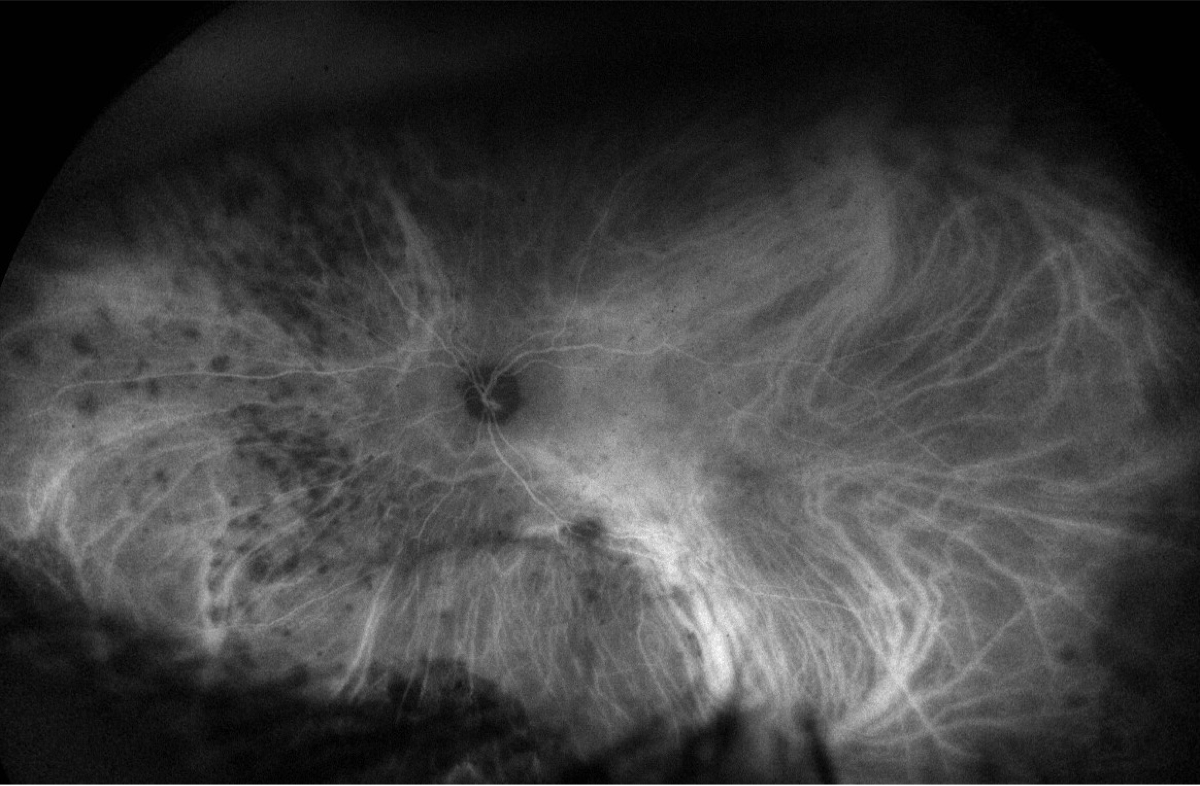
Support
The workup includes biological tests and retinal angiography when significant inflammation is present. The treatment is adapted according to the results and local progression:
- Corticosteroids (eye drops, periocular, systemic)
- Immunosuppressants (methotrexate, mycophenolate)
- Biotherapies (anti-TNF, anti-IL)
Long-term ophthalmological follow-up is necessary.